
Angel no. 65
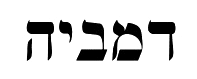
Damabiyah
«What I can give is shut away at home»
Damabiyah accompanies the period from 9 to 14 February and belongs to the Angels. Its motto is «What I can give is shut away at home». This symbolic portrait resembles a ship ready to leave but held in harbour.
You have possibilities that become clearer when you meet settings and people different from your usual ones. The sea represents the breadth of feelings and the desire for freedom. Moving away from familiar securities can make you feel exposed, even pushing you to turn back at the first difficulty. Meanwhile, what you could give remains on hold as you attend to smaller, more reassuring commitments.
The affinity with Yeyay'el concerns precisely this need to leave harbour. For you, the issue is not only fear. The main fault is a form of stinginess towards your own life: you do not want to give of yourself, risk an involvement that changes who you are or relinquish the tenderness with which you see yourself in your familiar environment.
You may deeply love home, habits, family and a few friends. This love becomes a limit when everything else seems alien or too inconvenient. Truly meeting a different person means stopping contemplating yourself for a moment and allowing their experience to change yours. The harbour protects, but can also prevent you from discovering the depths you fear.
Your intelligence can work against change. You find many reasons to stay: duties, promises, lack of encouragement, old wrongs, guilt or a desire for quiet reflection. Some constraints are real and need addressing; others become ever-new explanations for not testing a possibility. The more you defend standing still, the harder it is to listen to those trying to show you its cost.
You may also find yourself in a work or emotional relationship dominated by a bullying person. The need for security can make leaving harder. Change needs support and practical steps without making you responsible for the other person's harmful behaviour.
One route is to express your bond with the harbour fully. Through Doctor Zhivago, Boris Pasternak evokes possibilities allowed to pass and the weight of staying. Georges Simenon represents the stories of people trying to escape an unhappy condition and encountering new obstacles. Giving this conflict form allows you to understand and share it.
Edison instead evokes inventions that enrich domestic life and allow communication at a distance: light, sounds and tools bring the world into the familiar space. The gift can therefore find expression from home too, provided that quiet reflection produces something that reaches others.
The other route is to prepare for departure. It may be a journey, a change of work or a revision of a bond that limits you. Abraham Lincoln evokes liberation from slavery; Brecht, criticism of imprisoning social forms; Darwin, travel and inquiry into changes in life. Their common point is refusing to treat what already exists as final.
When you cross a limit of your own, you can become a convincing teacher of freedom. You know the harbour's pull and the price of staying. Your example becomes more useful when it supports others without trying to save them against their will. The direction is to give of yourself in a real encounter, with preparation and responsibility, allowing experience to broaden your idea of home.