
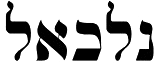
Angel no. 21
Nelka'el
«My actions are great when I stand against tyrants»
Nelka'el represents the desire to free what is held back. Your abilities come alive when you recognise injustice, undue pressure or a condition that prevents someone from choosing. You can find courage, authority and initiative precisely where others feel powerless. The motto connects great actions with opposition to tyranny.
Constraint may be social, familial or internal. An unjust system engages you, but so does a person being manipulated or a habit limiting your life. Garibaldi and the Dalai Lama evoke the struggle for a people's freedom; George W. Bush appears because of the place given to liberation in his political image. This last example concerns a language and a representation of power; it does not automatically make an action carried out in its name just.
Franz Kafka brings the other side of the theme: people trapped in oppressive mechanisms that are hard to understand. Hermann Hesse, through Siddhartha, evokes a liberation that changes how you live and see yourself. In this portrait, Frida Kahlo brings together resistance in personal, artistic and social experience. Your impulse can therefore take very different forms without always requiring public confrontation.
Your main difficulty is needing a battle so much that you create one. When everything is calm, you may feel empty or useless. Rather than recognising this dissatisfaction, you risk blaming your partner, work or family. A relationship becomes unbearable because you begin constantly looking for signs of oppression within it. You may even manipulate others so that you feel hurt enough to need to break free.
This is the most painful reversal of your gift: becoming the controlling person while still seeing yourself as a victim. An alert moral conscience, carefully considered convictions and attention to others' needs are therefore essential. Wit and an ability to argue help when they make a situation clearer; they lose their value when used to humiliate.
Maximilian I evokes the risk of using power to impose a will. In your daily life, the point is practical: do not demand a submission from others that you would not accept yourself. Defending freedom also requires respecting disagreement that displeases you.
Workplace hierarchies can expose you to constant friction. A superior may seem a despot, a colleague an opponent, an assignment a form of exploitation. Sometimes injustice is real; at other times you need to distinguish the facts from your impatience. Independence and clear responsibilities can help, but no kind of work removes the problem on its own.
Professions involving defence, research and investigation give your fighting spirit a direction. Sylvester Stallone evokes Rocky and Rambo, characters built around struggle and resistance; Michele Santoro, hard-hitting journalism. Martial arts, defending rights and a researcher's work are other ways to bring preparation, engagement and perseverance together.
Yet even a victory may not be enough. Returning dissatisfaction may signal that you seek something wider than an external result. Spiritual or philosophical inquiry lets you explore the meaning you give to freedom. In Hesse, this step is especially clear; in Garibaldi, the portrait also connects action with an interest in rituals and esoteric knowledge.
If anxiety persists or limits daily life, you can seek qualified help while continuing to explore your values. Your path becomes steadier when you no longer need to create an enemy to feel alive, and can use your strength to open real possibilities for yourself and others.